How Tupperware Parties Turned a Failing Product Into a Hit
By Diane Porter · Published · 7 min read
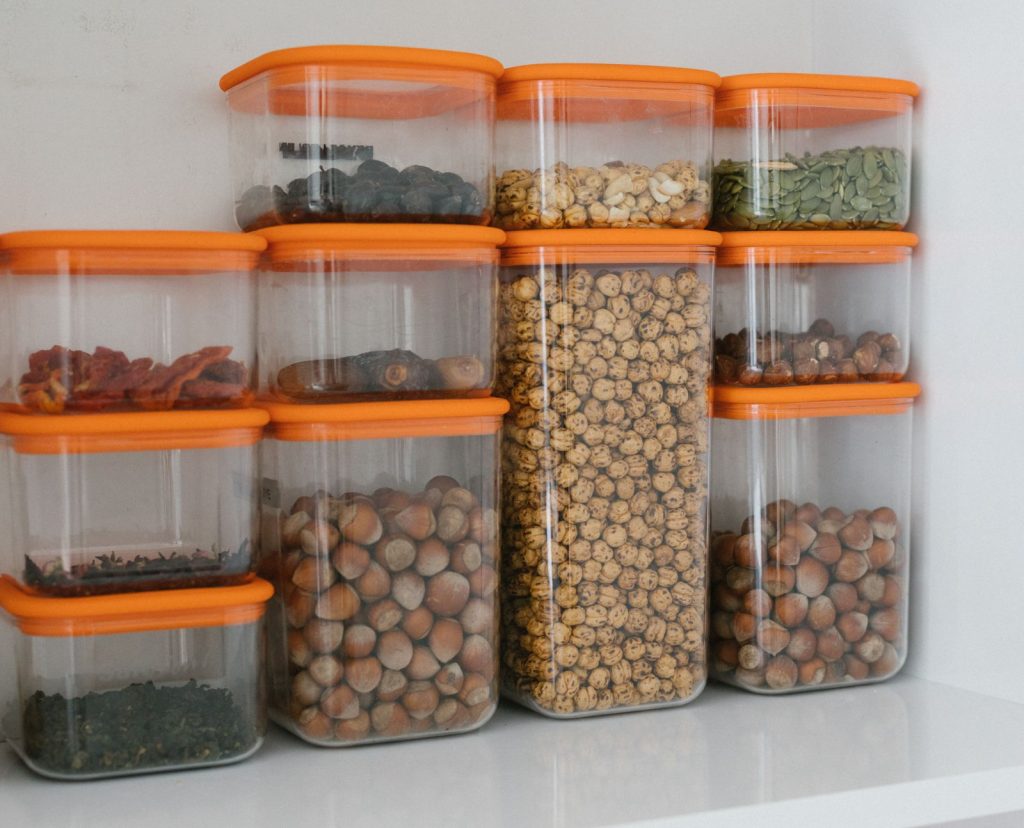
Some early customers returned their airtight plastic bowls to the store, convinced the lids did not fit. The lids were fine. They simply had to be pressed down and “burped” to let the air out, and nobody had told the shoppers. That confusion is a big part of why a product that would become a symbol of the 1950s nearly failed.
The story of how it turned around is also a story about Earl Tupper, who invented the plastic, and Brownie Wise, who worked out how to sell it. Accounts of their partnership agree on the broad outline and differ on some of the details.
A Plastic Nobody Trusted
Earl Tupper was born in 1907 to a poor farming family in New Hampshire and grew up on farms in central Massachusetts. He sold produce door to door as a boy, and a tree surgery business he started went bankrupt in 1936. He then took a job at the plastics division of DuPont in Leominster, Massachusetts, and about a year later bought used molding machines and started Tupper Plastics. The company dates to 1938.
After World War II, DuPont supplied him with polyethylene. Tupper asked for pure pellets rather than a filled material and developed a line of kitchenware from them. He patented the airtight seal on November 8, 1949, and the early bowls reportedly won design prizes.
Homemakers were wary. They associated plastic with bad smells, an oily feel and cheap construction. The airtight lids, which were meant to be the selling point, confused buyers who were used to simple lids that just sat on top of the container.
The company had also resisted selling directly to customers, preferring department stores and catalogs. By the end of the 1940s, business was languishing.
The Woman From Patio Parties
Others had tried the home party first. In 1948, Tom and Anne Damigella began selling the products in Massachusetts, and both had earlier sold for Stanley Home Products, a cleaning-supply company that had popularized the home party as a way to sell.
Brownie Wise was a former advice columnist and secretary who was divorced and supporting her young son. She also sold for Stanley Home Products. Accounts place her in Miami in one telling and in Detroit in another.
Wise started her own business, called Patio Parties, and used the method to sell Tupperware. She recruited local women to sell for her. According to the Smithsonian’s account, the bowls sold well through her sellers in 1949, and one woman reportedly sold more than 56 of them in a single week.
The reason was simple. A store shelf could not demonstrate a lid that needed burping, but a person in a living room could. Wise’s own demonstrations were lively, and one account says they included throwing plastic across the room to show that it would not break.
Anatomy of a Home Party
The basic format had a few parts, and each solved a problem that the stores had not:
- A hostess opened her home to a group of guests.
- A dealer demonstrated the products, showing how the lids sealed and how the plastic held up.
- The dealer sold the products at the party, so guests saw an item used before buying it.
- The hostess received merchandise as thanks for hosting.
The money flowed in an unusual way. Dealers sold at retail prices, and Tupperware collected only the wholesale price, so the dealers kept the difference. The dealers were private contractors, not employees.
1951: A Company Built Around the Party
In April 1951, Tupper established Tupperware Home Parties. The company hired Wise that year to lead the new division, and accounts give her title variously as vice president of marketing or general sales manager. The Smithsonian calls the position unprecedented for a woman.
The company held its first sales conference in Worcester, Massachusetts, in 1951, and one timeline dates Wise’s appointment to May of that year. The company’s headquarters took shape near Orlando, Florida. In late 1951, Tupper bought about a thousand acres of cow pasture and swamp in Kissimmee. Wise’s team first worked from temporary offices in an unused airplane hangar.
The company modeled its approach on Stanley Home Products and then, by its own description, made thousands of improvements. Salespeople called Wise Tupperware’s “First Lady,” and distributorships competed for her visits.
Wise became the company’s public face. She was the first woman on the cover of Business Week, and by the mid-1950s she had appeared on the covers of other magazines as well. Her promotional travel reached 150,000 miles a year, according to one account. Tupper reportedly disliked public appearances.
Newsletters, Jubilees and Prizes
Wise knew that selling at home depended on keeping sellers motivated. She published a newsletter, held pep rallies and hosted an annual gathering where top sellers received awards. Her philosophy, in brief, was that building people would build the business.
The company circulated a monthly publication called Tupperware Sparks, which featured saleswomen’s photos. Its public relations staff sent those photos to local newspapers, so the company got publicity for very little money. One account adds that the company spent far less on advertising than most consumer-products firms.
The annual gathering was called a Homecoming Jubilee. The first, in 1954, marked the dedication of the new headquarters and had a Gold Rush theme. It is also known as the Big Dig Jubilee. About 600 top salespeople dug for prizes buried near headquarters, and the swampy soil made some prizes take hours to recover.
Prizes went both to high sellers and to those who recruited new members, and rewards at these events could include diamond rings and designer wardrobes. One former employee recalled that the company would sometimes order as many as 100,000 blenders at once to use as prizes, although that figure is a recollection and not a documented count.
Why the Plan Worked
By 1954, sales reached $25 million, according to one account. The network had about 20,000 dealers, distributors and managers. Thousands of women started home businesses selling the products during the 1950s and 1960s.
Historians read that growth in different ways. One scholar, Alison J. Clarke, describes Tupper’s investment in amateur sellers as either inspired entrepreneurial vision or desperation, and the choice between those readings is an interpretation, not an established fact. She also points out that Black and Hispanic women, single mothers and divorcees were a less visible force in the expansion.
A product that had struggled in department stores was now moving through thousands of living rooms. The party format did what the store shelf had not, by showing the item at work.
The Break
In January 1958, Tupper and the board fired Wise. She had no formal contract and received no company stock. After she took the company to court, she reportedly received a one-time payout of about a year’s salary, around $30,000.
Several months later, in July 1958, Tupper sold the company to Justin Dart of the Rexall Drug Company for $16 million.
Dart initially wanted to end the Jubilees, but he let the staff continue them, and Tupperware became one of Rexall’s most profitable holdings over the next two decades. Tupper largely banned mentions of Wise in company literature. Tupper later moved to Costa Rica and reportedly gave up his American citizenship. He kept inventing, but none of his later ideas succeeded, and he died in 1983.
Historians disagree on why it happened. One biographer argues that Tupper worried an outspoken woman running sales would make the company less attractive to buyers. That is an interpretation of motives, not a documented statement.
Remembered Later
After her firing, Wise launched a cosmetics direct-sales company called Cinderella and later started others that used similar party methods, but none did well. For years after her firing, mentions of her were largely absent from company literature.
Meanwhile, the company grew. In the early 1960s it expanded into Europe, Asia and Latin America, and the home party model went with it.
Recognition came late. In 2016, Tupperware donated $200,000 so that an Orlando park near its headquarters could be renamed Brownie Wise Park.