Where New Orleans’ Mardi Gras Traditions Came From
By Tom Brennan · Published · 7 min read
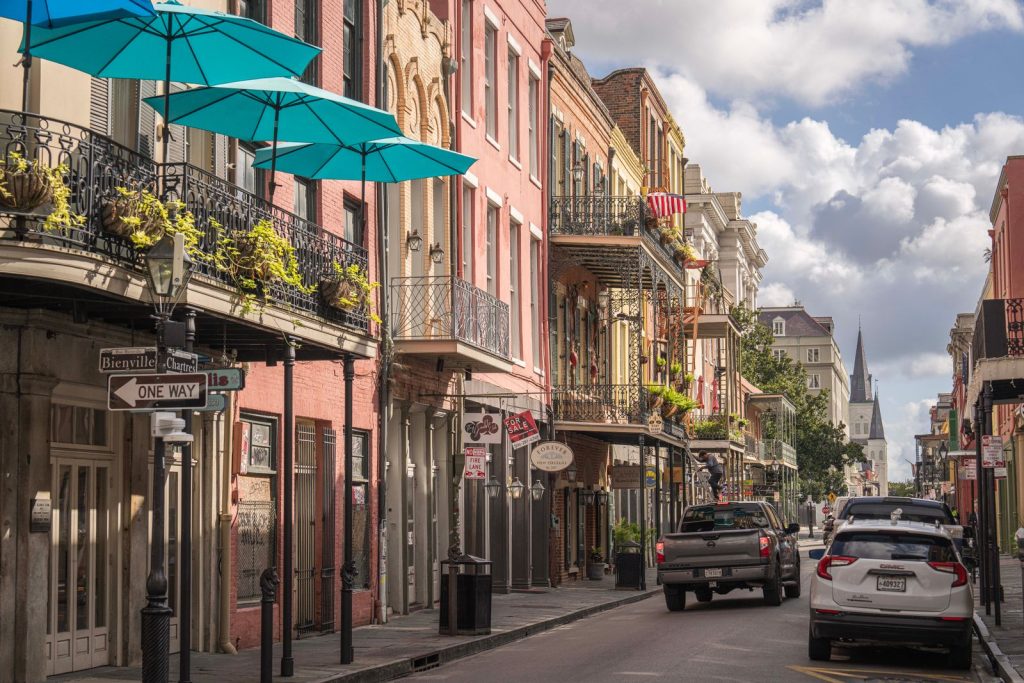
In 1699, years before New Orleans existed, a handful of French explorers camped near the mouth of the Mississippi River and marked the day before Lent with a celebration. The expedition’s leaders, Iberville and Bienville, held what is usually counted as the first Mardi Gras in what became Louisiana. The city itself was not founded until 1718, and nobody knows the date of its first Carnival party.
Modern Mardi Gras is a calendar, not a single day. The traditions that fill it came from France, Spain, the Caribbean and a number of New Orleans communities that invented their own versions. Following the season in order, from the first king cake to the last parade, shows where each custom came from.
January 6: The Season Opens
Carnival season begins on Twelfth Night, January 6, the feast of the Epiphany. That is when New Orleans bakers begin selling king cakes, ring-shaped pastries that are usually decorated in purple, green and gold. A small trinket, often a plastic baby, is baked inside or tucked into the cake.
The custom comes from French and Spanish Epiphany traditions. In France, a bean or small figure was baked into a festive cake, and New Orleans kept the idea while eventually settling on the plastic baby.
The rules have stayed simple. Whoever finds the baby is supposed to bring the next cake or host the next party, which keeps the season rolling from one gathering to the next. Mardi Gras itself, French for “Fat Tuesday,” is the last day of feasting before Ash Wednesday and the start of Lent.
The date moves each year with Easter, so the season can run anywhere from about four weeks to nearly nine. A short season packs the parties together, and a long one stretches them into March.
Roots in Masks and Balls
Long before big parades, New Orleans had masking and dancing. Records show Carnival balls were already established by 1743, and masked street celebrations were popular enough in the early 1800s that authorities sometimes tried to ban them. The bans did not last. In 1833, a wealthy Creole named Bernard de Marigny raised money for an official celebration.
By 1835, a visitor named James Creecy was describing the street masquerades with admiration. He wrote that Shrove Tuesday was “a day to be remembered by strangers in New Orleans.” The city’s reputation for a rowdy Fat Tuesday was already forming.
1857: The First Krewe Takes the Streets
The next step was organization. In 1856, a group of businessmen formed the Mistick Krewe of Comus, and in 1857 it staged a parade with floats and a theme drawn from the poet John Milton. Comus was the city’s first krewe, and it set the model that others copied. Members stayed anonymous, rode on elaborate floats and held a ball afterward.
That pattern, with its themes, costumes and secrecy, is the basis of the krewe system. A krewe is a private social club that funds its own parade and ball, and the tradition has produced dozens of them over the years. The word itself is a fanciful spelling that Comus helped popularize.
Others followed. Momus was organized in 1872, and Proteus took to the streets in 1882. By the late twentieth century larger krewes such as Endymion and Bacchus had joined the roster with enormous floats and open membership. Many krewes crown a king and a queen who reign at the krewe’s ball, and the royal court is part of the show.
Parades on the big uptown routes still travel along St. Charles Avenue before turning toward Canal Street.
1872: The King Arrives
Rex, the King of Carnival, held his first parade in 1872. A visiting Russian grand duke, Alexis Romanov, was in town, and a popular story says the organizers wanted something grand to honor him. Historians agree that Rex gave Mardi Gras Day a grand daytime parade and the idea of a ruling monarch.
Soon the city’s official colors followed. After a parade in 1892 built around color themes, Rex declared that purple stands for justice, green for faith and gold for power. Those colors now appear on everything from beads to bunting. Louisiana had already made Mardi Gras a legal state holiday in 1875.
1909: Zulu’s Answer
Not every group felt welcomed by the established krewes. In 1909, a group of Black New Orleanians known as the Tramps crowned a man named William Storey as King Zulu in a mock-royal parade that poked fun at Rex’s pageantry. The Zulu Social Aid and Pleasure Club grew out of that moment and developed into a major parade of its own. Social aid and pleasure clubs had grown from mutual-aid societies that helped members pay for burials and emergencies, so the group combined community support with celebration.
Zulu is known for its hand-decorated coconuts, which riders hand to people in the crowd as treasured souvenirs. The club’s parade still rolls in the morning on Fat Tuesday, just ahead of Rex.
The two kings share a bit of ceremony the day before. On the Monday, known as Lundi Gras, the kings of Zulu and Rex arrive by boat at the Mississippi riverfront to greet the crowds.
The Masks, the Suits and the Midnight Rule
Another tradition runs on its own schedule. Mardi Gras Indians are Black New Orleanians who spend months sewing elaborate suits of feathers, beads and rhinestones. Many members sew a new suit each year, and they wear it in street processions on Fat Tuesday and on certain Sundays in the spring. Many accounts connect the tradition to bonds between Black New Orleanians and Native American communities, though the details vary from one telling to another and the earliest decades are thinly documented.
What is clear is that the craft is demanding. The beadwork takes months, and the finished suits are works of art in their own right.
Music runs through all of it. Brass bands and second lines, which are dancing crowds that follow a band through the streets, are part of the day. Professor Longhair recorded “Go to the Mardi Gras” in 1959, and the song became a local standard that gets played every year as the season comes around.
The day itself has a famous ending. By tradition, police move through the French Quarter at midnight to signal that Mardi Gras is over and Ash Wednesday has begun. Masks, which authorities restricted at other times, were allowed on Fat Tuesday itself.
Throws and Doubloons
Anyone who has watched a New Orleans parade has heard the cry for a throw. The riders on the floats toss gifts to the crowd. Over the years, the list has grown long:
- Beads, the best-known throw, typically strung in the official colors.
- Doubloons, aluminum coins stamped with a krewe’s emblem. The name echoes the old Spanish gold coin, and Rex introduced the modern version in 1959.
- Cups, toys and trinkets, which many krewes order specially for each parade.
- Zulu coconuts, a prized treasure that is handed over rather than thrown.
Pauses, Comebacks and Country Cousins
Mardi Gras has gone dark more than once. Parades were canceled at times during the Civil War, World War I and World War II. In 1979 a police strike forced official parades to be canceled or moved, and National Guard troops helped keep order.
In 1991, a city ordinance requiring krewes to certify they did not discriminate led two of the oldest, Comus and Momus, to stop parading in protest. Hurricane Katrina scaled back the celebration in 2006, and in 2021 residents decorated their houses as floats when parades were canceled. The tradition keeps finding ways to continue.
Mardi Gras is not only a New Orleans event. In rural Cajun communities of southwest Louisiana, costumed riders go from farm to farm on Fat Tuesday in a tradition called the Courir de Mardi Gras, asking for ingredients such as a chicken for a shared pot of gumbo. The French name means the Mardi Gras run, and it reflects older rural customs that predate the big city parades.