How the Kentucky Derby Became a National Tradition
By Tom Brennan · Published · 7 min read
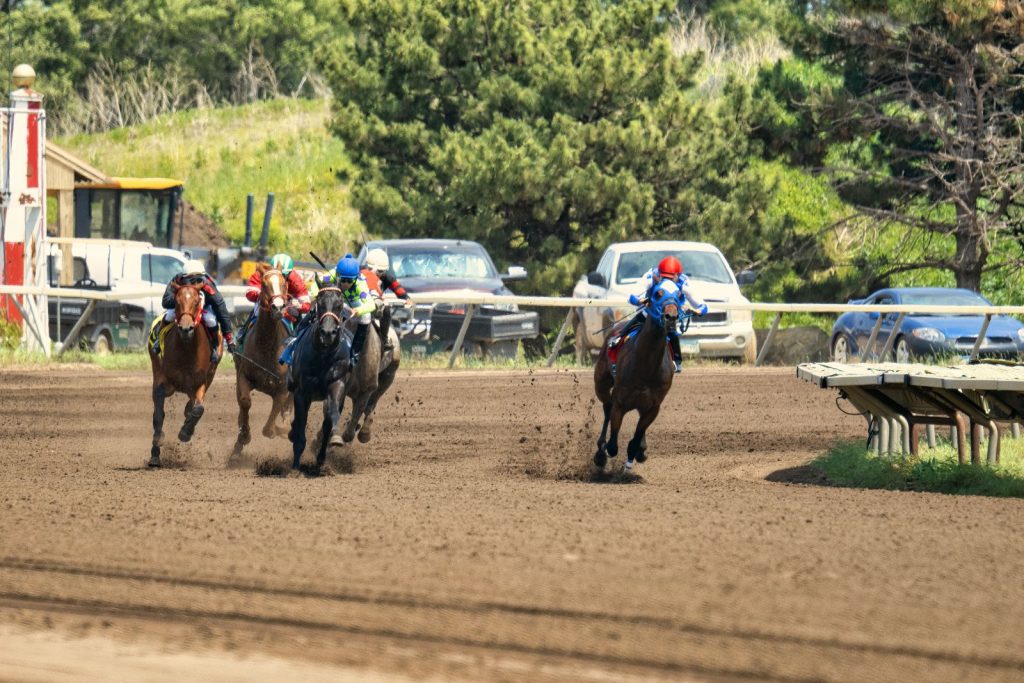
On May 17, 1875, fifteen three-year-old thoroughbreds lined up on a brand-new track in Louisville, Kentucky, to run a mile and a half. The crowd, often reported at around 10,000, saw a colt named Aristides win in about two minutes and thirty-eight seconds, ridden by a jockey named Oliver Lewis and trained by a man named Ansel Williamson. Both Lewis and Williamson were Black, which was far from unusual in the sport at the time.
Nobody at the track that afternoon could have known they were watching the first of what would become the event often described as the longest continuously held sporting event in the country. The Kentucky Derby started as a local social occasion with ambitions. It took decades of changes, big and small, to turn it into a national ritual.
A Young Founder With a Big Idea
The man behind the race was Meriwether Lewis Clark Jr., who founded the Louisville Jockey Club. Clark had a famous grandfather, the explorer William Clark, and the usual account says he was inspired by the horse racing he saw in England and France. He wanted Louisville to have a racing event of the same caliber, with a major race for three-year-olds.
The land for the track belonged to his uncles, John and Henry Churchill, and over time the facility became known as Churchill Downs.
Louisville was a sensible place to try. The city sits not far from the Bluegrass region around Lexington, where breeders had raised thoroughbreds for generations.
A river city could also draw visitors by steamboat and rail. The name did not become official until 1937. In its early years, the track had rivals and uncertain finances, and the Derby was not an automatic success. It took a lot of patient promotion before the race stood out from the crowd of other spring meets.
The Early Years and the Black Jockeys
The first Derbies were dominated by Black jockeys and trainers, who had long been central to horse racing in the South. Isaac Murphy, one of the most successful riders of his era, won the Derby three times, in 1884, 1890 and 1891. Jimmy Winkfield rode winners in 1901 and 1902.
After the 1890s, Black jockeys’ share of mounts fell sharply as discriminatory practices pushed them out of the sport. By the time Winkfield won his second Derby, the era of dominance was ending. The story of the early Derby is incomplete without this chapter.
A Shorter Race and a Set Date
The Derby has not always looked the way it does now. It began at a mile and a half, and in 1896 organizers shortened it to a mile and a quarter, the distance it has been ever since. The change brought the race in line with the length of many other American races for three-year-olds.
The calendar shifted too. For its first decades, the race was run on different dates in spring. In 1931 it moved to the first Saturday in May, and the date has been the anchor of the American racing calendar ever since.
The Garland of Roses
The roses are the best-known symbol of the race, and the exact beginning of the custom is hazy. One account points to a society party in 1883, where women guests received roses. A recorded reference to draping roses on a winner appears in 1896, while another source dates the regular blanket of roses to at least 1932.
The nickname is easier to pin down. In 1925 a sportswriter named Bill Corum began using the phrase “Run for the Roses,” and it stuck. The winning horse now receives a blanket of more than 500 red roses stitched together, so the flower has become as closely tied to the race as the horses are.
Sights and Sounds of Derby Day
Many of the day’s habits are older than the crowds who follow them. A short list of the best-known ones:
- The mint julep, the traditional drink of the day, served in the grandstands and at parties.
- Burgoo, a thick stew that is a popular dish in Kentucky.
- Hats, often large and elaborate, especially in the costly seats of Millionaire’s Row.
- The Call to the Post, a bugle call played as horses parade in front of the grandstands.
- A familiar Kentucky song, “My Old Kentucky Home,” which has been played at the post parade since 1921.
Going National
For many years, the Derby was mostly a regional event. Radio brought it to a wider audience when WHAS broadcast the race live in 1925. Local television coverage began in 1949, and national coverage arrived in 1952, which helped bring the race into living rooms across the country.
A promoter helped as well. In 1902 a Louisville tailor named Matt Winn helped reorganize the struggling track, and he became its great salesman. In 1911 he cut the minimum betting ticket from $5 to $2, which brought in more customers. In 1915 he persuaded the owner Harry Payne Whitney to ship the filly Regret to Louisville, and she became the first filly to win.
The Kentucky Oaks for fillies, first run in 1875, became the traditional companion race on the day before.
The Triple Crown helped, too. The Derby was the youngest of its three races, since the Belmont Stakes dates to 1867 and the Preakness to 1873, so Louisville had to earn its place in the sequence.
Sir Barton won the Derby, Preakness and Belmont Stakes in 1919, becoming the first horse to take all three. Gallant Fox did it in 1930, and that was the year sportswriter Charles Hatton popularized the name Triple Crown.
The idea gave fans a reason to follow the Derby as the first step of a bigger quest. After Citation won all three in 1948, no horse did it again until Secretariat in 1973, and the long wait made each new attempt feel like an event.
The Derby Beyond the Track
Over time the race grew a whole season of events around it. A civic festival with parades and public events leads up to race day, and the Oaks on Friday gives the weekend a second headline. Many of those events are aimed at residents of Louisville, who treat the Derby as a hometown holiday as much as a sporting event.
Derby Day has also traveled well. Fans far from Kentucky hold watch parties with hats, mint juleps and friendly wagers, borrowing the costume of the track for their own living rooms. The tradition works because the pieces are easy to copy: a drink, a hat and a two-minute race.
That portability is part of the secret. A race that began as a social event for a crowd of thousands in one Kentucky city became something that could be enjoyed anywhere, by people who had never seen Churchill Downs in person. The roses, the song and the hats did the traveling for it.
Records, Upsets and Firsts
The Derby’s record book is full of memorable entries. A few of the best known:
- 1913: Donerail won at odds of 91 to 1, the biggest upset in the race’s history.
- 1915: Regret became the first filly to win the Derby.
- 1970: Diane Crump became the first woman to ride in the Derby.
- 1973: Secretariat ran the mile and a quarter in 1:59 2/5, the first time a winner finished in under two minutes. He went on to win the Triple Crown that year.
- 2001: Monarchos became the second horse to break two minutes.
The jockey roll has its own stars. Isaac Murphy was the first three-time winner, and Eddie Arcaro and Bill Hartack each won five Derbies. Since 1975, the field has been capped at 20 horses, which keeps the starting gate from becoming unmanageable. Crowds have topped 150,000 on several occasions, making Derby Day one of the larger gatherings in American sports.